
Whoa! I didn’t expect a browser extension to change how I move money, but here we are. It started as curiosity. Then it became a habit. My first impression was simple: clean UI, quick installs, and somethin' that just worked without drama. But my instinct said don't be naive—there's more under the hood.
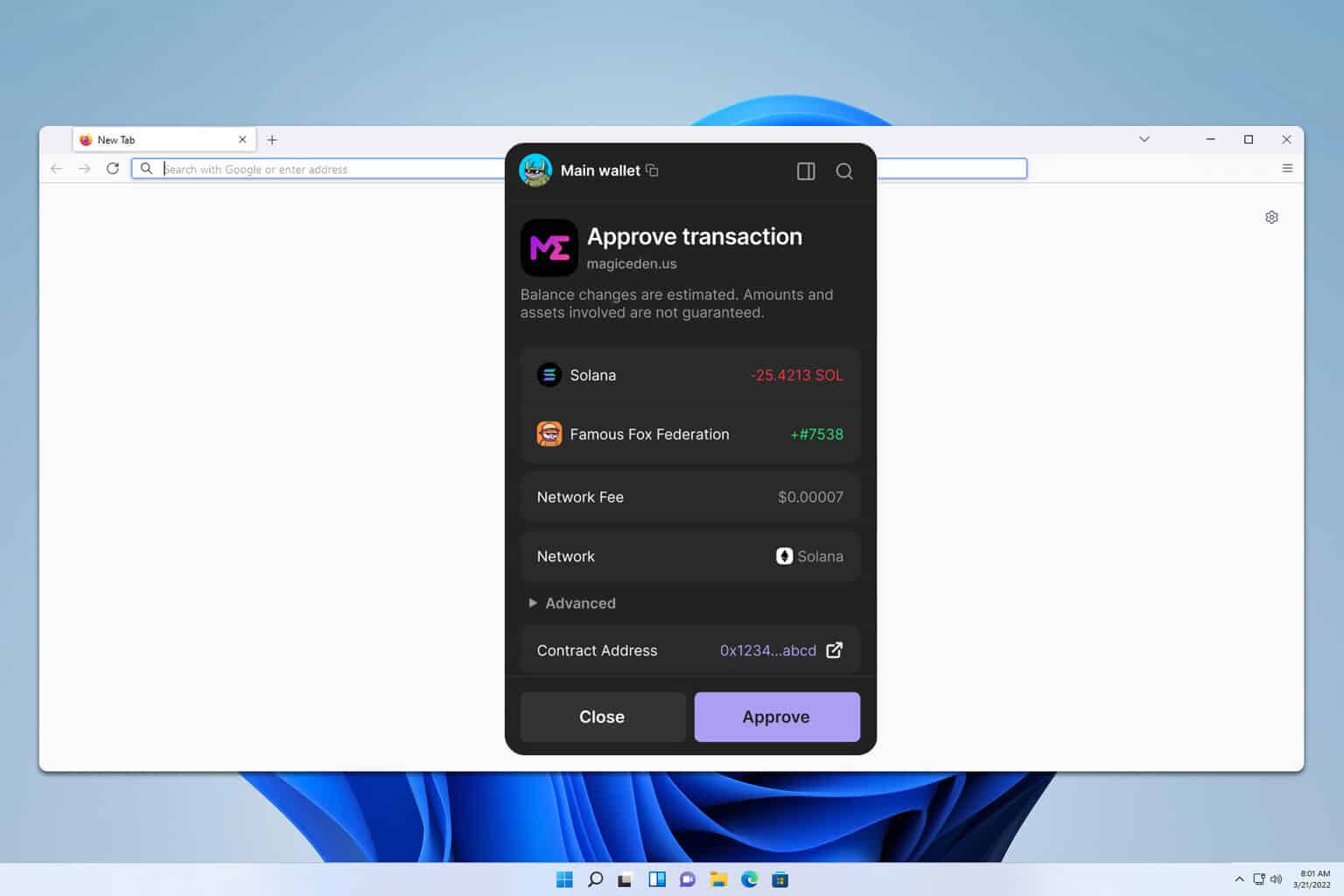
Okay, so check this out—Phantom nails the basics. It stores keys locally in your browser, it talks to dapps on Solana, and it shows NFTs like they belong on a clean gallery wall. Short transactions feel snappy. Medium-sized trades are straightforward. Long, more complex operations—like interacting with a multi-step DeFi pool—require you to pause and read the prompts, because user confirmation still matters when money is on the line.
Here's what bugs me about some wallets: they either overwhelm you with tech jargon or they hide important confirmations behind vague buttons. Phantom mostly avoids that trap. Initially I thought it would be just another slick interface, but then I noticed little things—like clear token approvals and an easy way to disconnect sites. Actually, wait—let me rephrase that: the disconnect feature is there, but a casual user might miss it if they're rushing, and that's worth flagging.
Seriously? Yes. Because the human factor is huge. I once clicked through a swift-sounding approval and later realized it was granting recurring permissions. Oops. Lesson learned. On one hand the UX reduces friction for creators and collectors; on the other, that same ease can trick you into risking approvals you don't fully understand. Hmm… my gut reaction was mild annoyance, then a full "do better" moment.
How Phantom Fits into Your Solana, NFT, and DeFi Workflow
Short answer: it's a practical bridge. Want to browse NFTs? It’s there. Want to stake or swap tokens? It's usually fine. Want to sign a complex contract? Slow down. Most interactions are straightforward. The extension connects to most Solana dapps seamlessly, and that smoothness is valuable—especially when gas fees are low and speed matters.
My experience is hands-on. I installed the extension and kept a small hot wallet for daily NFTs and a cold wallet for long-term storage. This split gave me freedom for quick trades without exposing the bulk of my holdings. I'm biased, but that separation has saved me stress. So if you plan to use Phantom frequently, consider the same approach: day-to-day hot wallet, reserve cold storage elsewhere.
On safety: Phantom encrypts your seed phrase and stores it locally. That’s good. It's not a hardware wallet, though. So treat it like cash in a pocket, not a vault. The difference matters. When you authorize a transaction, read the details. If something felt off—trust that feeling. My instinct said something was wrong during a weird token approval once, and stepping back prevented a careless move.
Fast thought: connect only to trusted dapps. Longer thought: vet the dapp, scan for community trust, and watch for phishing clones. There are spoofed sites that look nearly identical to legit marketplaces. On that note, if you want to grab the extension directly—use a trusted source. You can also find a reliable installer here: phantom wallet download extension. But be mindful—always double-check the URL and make sure you're on the expected domain.
There's a balancing act. Phantom makes things fast. That speed is intoxicating. But speed without attentiveness invites mistakes. So I treat approvals like email attachments: assume caution until proven safe.
Real-World Tips I Actually Use
First, limit browser permissions. Don't let random tabs keep Phantom connected forever. Disconnect when done. Second, curate your token list—remove tokens you don't use to avoid confusion. Third, use multiple accounts inside Phantom: one for small buys, one for interacting with experimental DeFi protocols. These are small habits, but they prevent big headaches later.
One trick that works for me: set routine checks. Once a week I scan approvals and revoke anything odd. It’s a tiny ritual that pays off. Another trick—put your larger holdings in a hardware wallet and only import a watch-only version into Phantom for reference. That way you get visibility without constant risk.
Also, keep an eye on fees during high network activity. Solana is cheap most of the time, but spike periods exist. Longer explanation: during big NFT drops or network events, transactions can lag or fail, and re-submitting can be confusing if you don't monitor nonce and confirmations closely.
Oh, and by the way… backups. Write your seed on paper, multiple copies, store in different spots. Not glamorous. Very very important.
When Phantom Might Not Be the Right Fit
If you need multi-sig governance or enterprise-level custody, Phantom alone isn't the answer. For teams or high-value holdings where policy controls and transaction limits are required, consider specialized custody solutions or hardware-centric workflows. Phantom is optimized for accessibility. Accessibility can be at odds with the rigid controls some organizations need.
On the NFT side, it's great for collectors. But if you're a power trader moving huge stacks all day, you may need a more advanced toolset or even direct RPC setups. Also, if you're highly privacy-conscious, remember browser extensions can leak metadata—so weigh tradeoffs.
FAQ
Is Phantom safe for storing NFTs?
Yes for typical collectors. It displays NFTs clearly and handles metadata well. But treat Phantom as a hot wallet: use it for frequent interactions and keep high-value items in cold storage when feasible.
Can I use Phantom for DeFi on Solana?
Absolutely. Phantom integrates with major Solana dapps. However, be deliberate about token approvals and watch for malicious contracts. My approach: test with small amounts first, then scale up if everything looks normal.
Where should I download the extension?
Get it from official sources only. If you want a convenient place to start, this link points to a trustworthy installer: phantom wallet download extension. Again—double-check domains and signatures before entering any seed phrases.